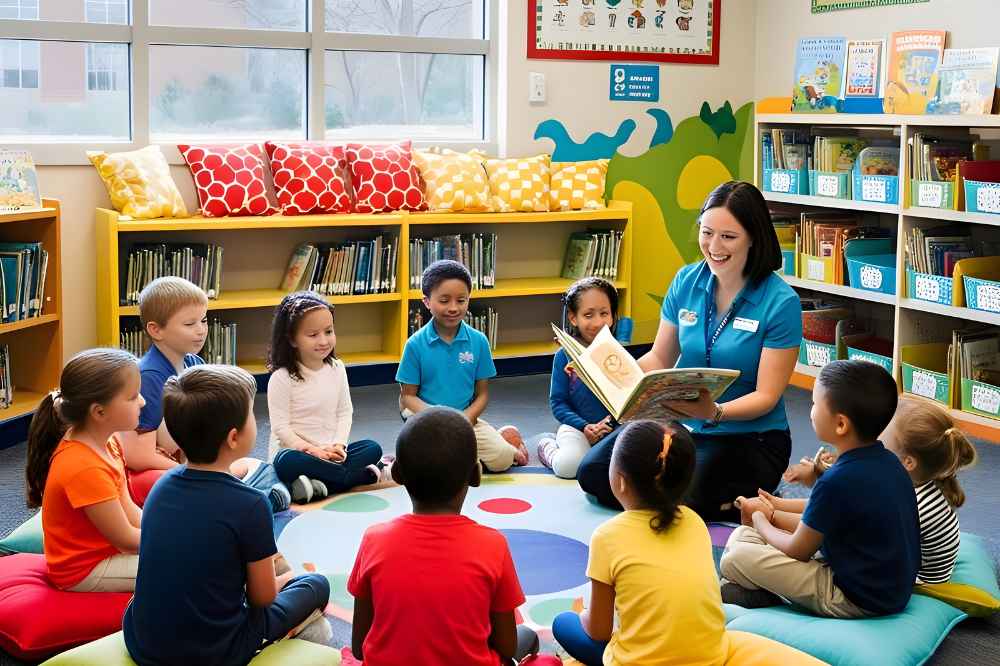
Classrooms are now more diverse than ever. Despite this, many schools are not doing anywhere near enough to promote diversity and equality in the classroom. This is leading to increased bullying, and children being ill-equipped once they leave for the workplace. We want to change that.
We won’t be able to change everything about how diversity and equality are taught in the classroom. However, we can provide advice on how things can be made a little easier.
Why Promoting Diversity Matters in Education
Promoting diversity in schools leads every student to feel like they are valued and respected. They feel less like they are ‘different’, and just part of the group. Obviously, they know they may be different in terms of ethnicity, skin colour, gender, etc. but they won’t feel as if they are being excluded because of who they are as a person.
Promoting diversity will also increase empathy among students. Certain studies have shown that people’s issues with diversity often occurs much later in life, and by fostering an understanding of diversity early on, people are much more likely to continue in the correct way of thinking later on.
Teachers have often found that promoting diversity also helps to lower bullying, and even prepare people for the workplace where they will be working in diverse teams.
Encouraging Equality and Diversity in the Classrooms
While they are often intertwined, equality and diversity are different concepts.
Equality means offering fair treatment and opportunities for people. Access to the same resources and support. Basically, no child is left behind. Although, there is also the understanding some people may need a little extra help to get access to those opportunities.
Diversity looks at the differences between people, whether it is cultural, religious, skin colour, disabilities, etc. and celebrates them. Equality is about accepting differences between others, and being able to see things from the perspective of those who are different.
When diversity and equality are promoted in the classroom, the learning environment is better. People get access to the opportunities they need to thrive, while also knowing they won’t be held back by who they are as people. As we said, it will also encourage better communication and, hopefully, less bullying between class members.
Practical Ways to Promote Equality and Diversity
As we said, we can’t solve all diversity and equality issues in classrooms right here. However, we can give some key advice to teachers that can smooth the process out a little bit. Of course, you also need to be willing to promote the right environment in your classroom.
Create Inclusive Lesson Plans
Lesson plans should be much more inclusive. Look for teaching materials that represent multiple cultures, genders, and perspectives. Try to ensure everybody feels represented in that material. Modern teaching materials will be much easier to use here, with older materials very much a product of their time.
We are sure you’ll have no issues finding books that promote diversity, both in terms of stories and case studies.
Any content with stereotypes should be out. Older teaching materials are rife with it. Not harsh stereotypes, i.e. full-blown racist ones. Just ‘caricatures’ that make people feel excluded.
Encourage Open Discussions
We’ll be honest with you and say that children don’t always say the most ‘politically correct’ things. It happens, sadly. Mostly, it is because children lack a filter, and a real understanding of what they said is wrong. Some of the time, the comments are a product of the environment they grew up in. As a teacher, it is important that you facilitate open discussions about why what a child might have said was wrong.
Encourage discussions about differences between people. Answer questions people have, and try to quash some of the stereotypes that do arise.
During discussions, it is important that you teach children to value different opinions, no matter how opposed they are to them. Try to encourage people to see things from the perspective of another. We don’t all grow up in the same cultures, after all. Our beliefs are shaped by a lot of things.
Celebrate Cultural Awareness
Cultural awareness should be at the centrepiece of your teaching. For example, celebrate and discuss key cultural events throughout the year with children. This includes things like Diwali, Eid, Black History Month, and Ramadan. Base lessons around this and don’t be afraid to answer questions.
You likely have students from diverse backgrounds in your classroom, so encourage them to share any traditions or experiences, without judgement.
You may even want to develop displays in the classroom to celebrate the diversity of your class.
Challenge Bias and Stereotypes
You might not want to admit it, but we all carry unconscious bias. It is up to you to identify and correct those bias. We highly recommend that you regularly analyse the teaching materials and style you are using. You also might want to consider who you interact with most in the classroom, who is receiving the most praise, etc. It might be quite eye-opening e.g. you may be spending more time with the students who need less help to get them to the ‘next’ level. Many teachers do this. Some teachers keeps logs and journals to try to identify their biases over time.
It might also be worth talking with other teaching staff to discuss how they handle equality and diversity in their classrooms. Pooling resources works. Nobody can do everything alone.
Adapt Teaching for All Needs
As we said, equality is not about giving students equal access to the exact same resources. It is about ensuring that students get the help they need to be on a much more level playing field.
This will especially apparent in Special Educational Needs (SEN) where teaching styles may need to be adapted to a slower pace. There may also be a lot more encouragement on the strengths of the student rather than the weaknesses. There may also need to be far more personalised support.
English as an Additional Language (EAL) learners may also need teaching in different ways. For example, simpler language structures, more imagery that students can learn from. Encouraging group activities also works very well.
Basically, every child in that classroom needs to feel like they are valued and that you support their needs. Some people may need more help than others, but you never leave somebody by the wayside. You need to adapt your teaching methods.
Role of Teachers and Schools in Promoting Diversity
Children are often spending 8 hours per day at school, so it is a major part of their lives. This means teachers will play a key role in shaping a child’s views on diversity. Teachers need to be regularly trained to ensure they have the skills required.
Leadership will need to develop policies and commitments that teachers can follow, and parents/students can understand. These policies need to be adaptable as the needs of the school change, or as more learning about how best to offer equality happens.
We highly recommend schools regularly partner with local communities and schools to ensure they are offer proper diversity.
Measuring the Impact of Equality and Diversity in Schools
This will be an on-going process. It is essential to keep tabs on student engagement on wellbeing, especially those in marginalised groups. Although, of course, you don’t want the non-marginalised to fall through the cracks either. Everybody needs to feel respected.
Each year curriculums should be regularly reviewed for inclusivity. Any appropriate changes should be made.
Of course, you should also encourage student feedback. This way, you know exactly where changes need to be made.
Promoting Diversity in Education 101
Inclusivity in education is important, because it ensures everybody has the tools they need to thrive. It also ensures the classroom environment is fairer for everybody.
Promoting diversity leads to better education, less bullying and, later on, a smoother transition into the workplace.
Teachers can start promoting equality and diversity in the classroom today by fostering more open discussions, allowing those of different backgrounds to share who they are and, of course, a review of the curriculum to ensure it is more diverse.
Get in touch with our team today to learn more about our school website design and school marketing services.